

She Was In the Cabinet Until 2024
Sara Duterte served as Secretary of Education under President Marcos from mid-2022 until her resignation in 2024. The Department of Education is not a peripheral portfolio — it is one of the largest in the national government, with one of the biggest budget allocations and a direct mandate affecting millions of the country's poorest families through public schooling, feeding programs, and basic literacy.
During that period, Sara's public disputes were almost entirely about political conflicts: her budget battles with the House, her deteriorating relationship with Speaker Romualdez, and eventually the full breakdown of the Marcos-Duterte alliance. The kind of passionate economic advocacy she is now performing — fuel subsidies, price caps, cash transfers — was not the signature of her tenure. She was a Cabinet member of the administration she is now condemning, and she did not resign over its economic failures.
That does not make her current criticism wrong. Economic conditions have continued to worsen, and a former insider sometimes has the most accurate read on an administration's failings. But it does mean her role in those failures deserves examination alongside her critique of them.
The Marcos Administration's Real Record
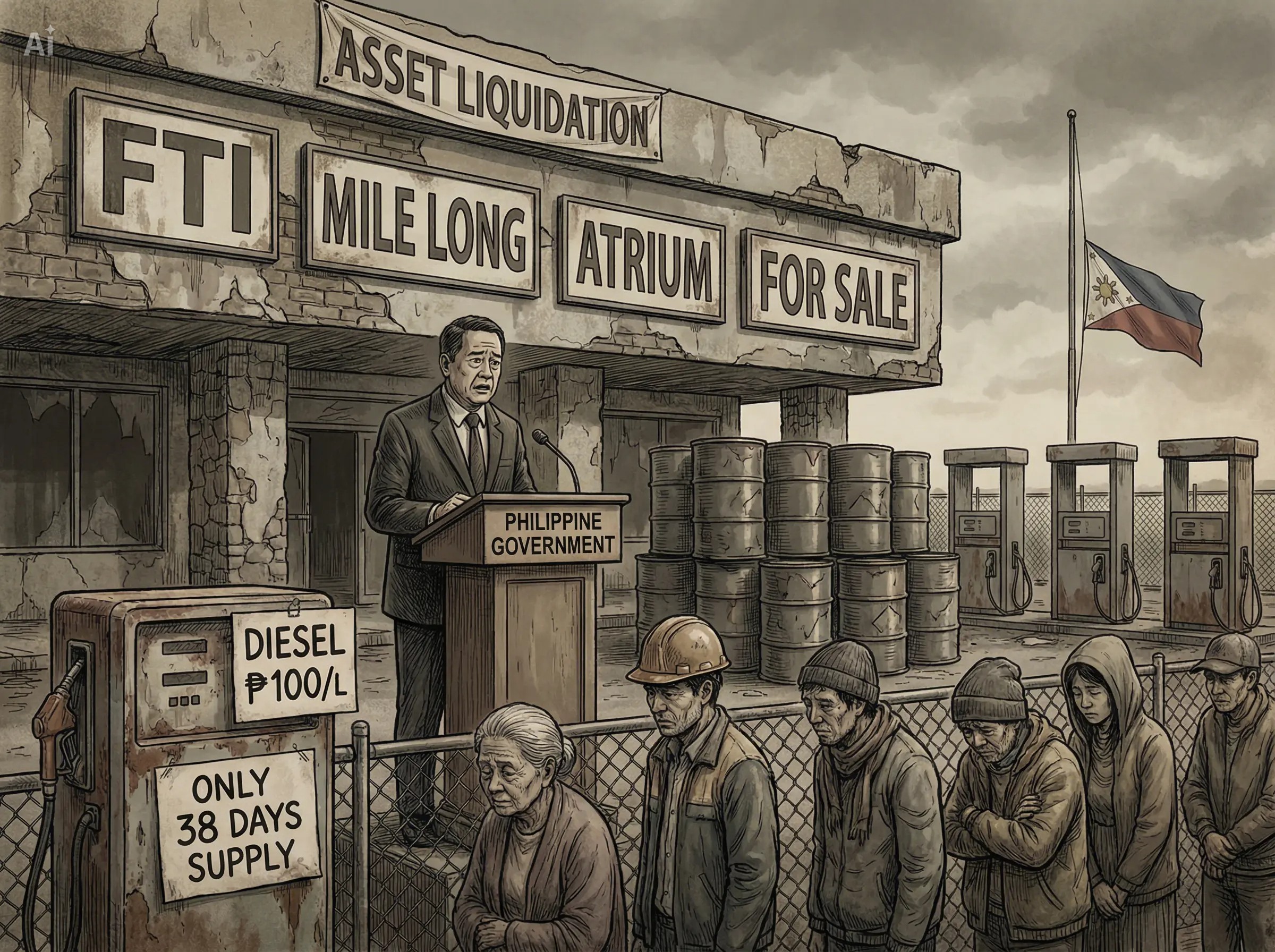
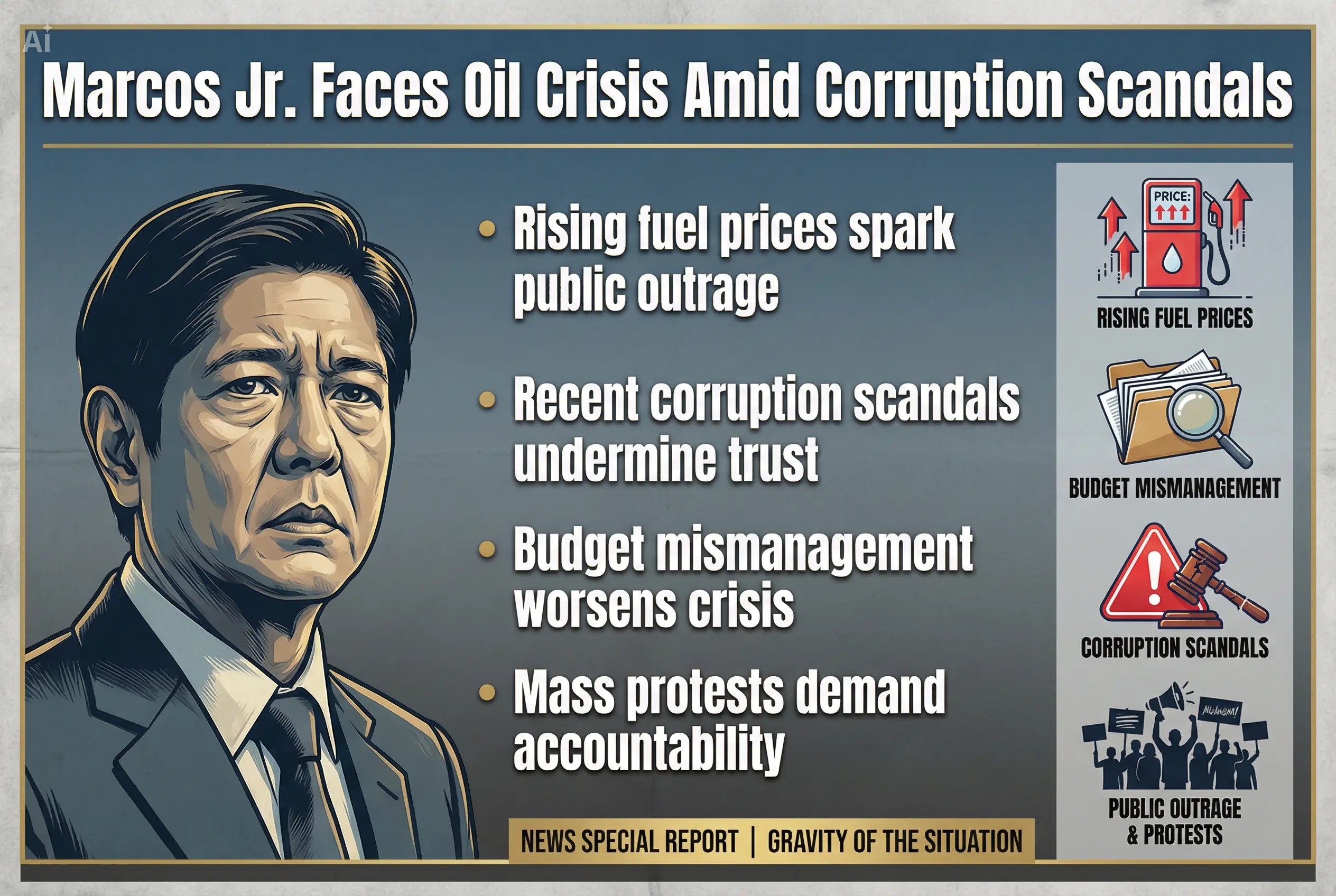
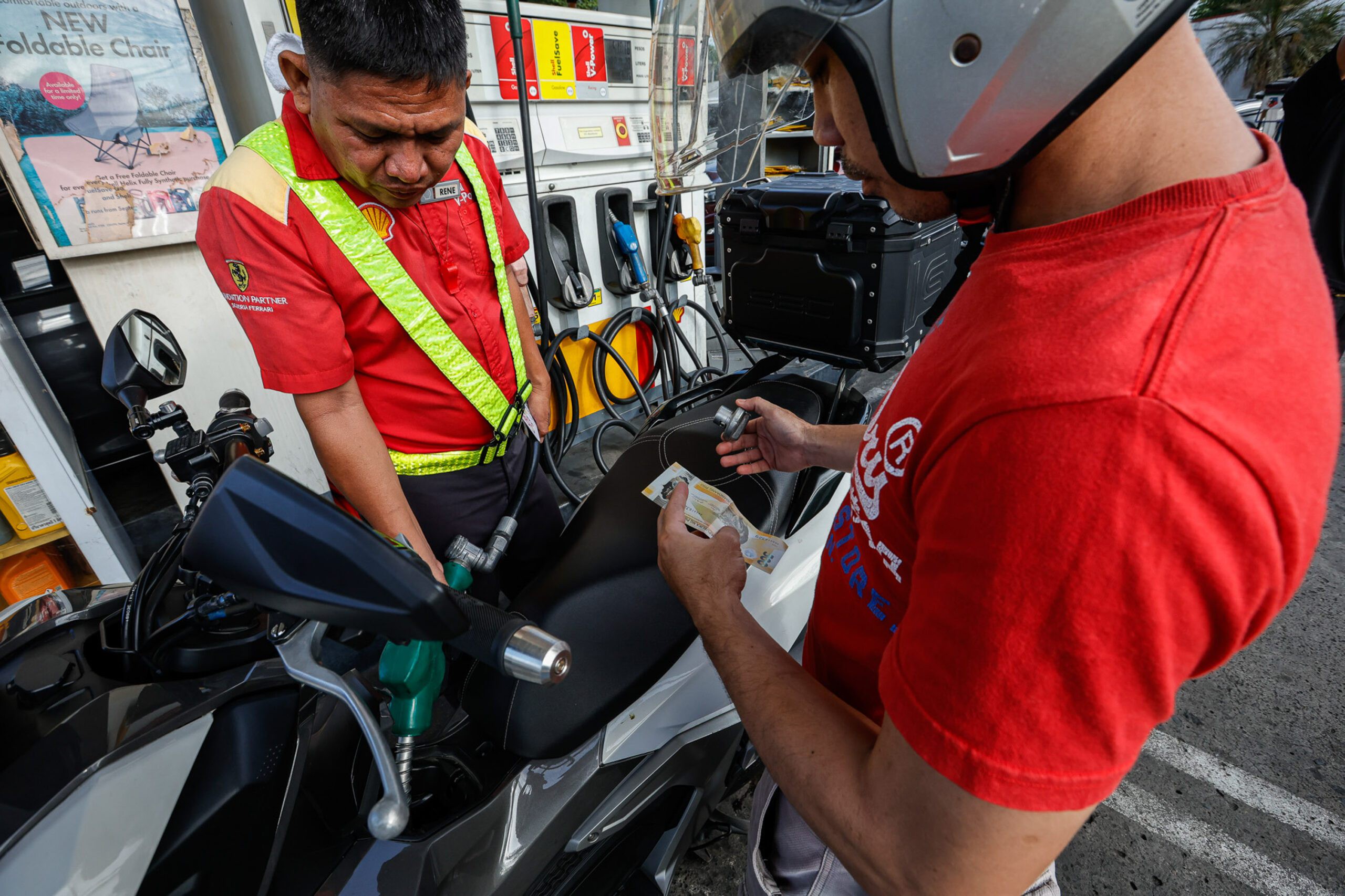
To be clear: the economic criticism has substantive targets. Inflation has been a persistent burden on Filipino households, particularly for food and energy prices. Job quality remains uneven, with a significant share of employment concentrated in informal, low-wage work. The government's response to oil price spikes has leaned heavily on fuel subsidy programs that benefit targeted sectors but do not address structural energy dependence.
The Marcos administration's broader economic pitch — built on infrastructure spending, foreign investment, and export growth — has not yet translated into the kind of inclusive growth that reaches lower-income families in any tangible way. On this, Sara's critique lands.
But the Marcos administration also inherited a post-pandemic economy carrying significant debt, and external shocks — including Middle East tensions affecting oil prices — are not entirely within any government's control. The economic critique is legitimate; the question is whether it is being made in good faith or as campaign positioning.
Subsidies Are Not a Policy Platform
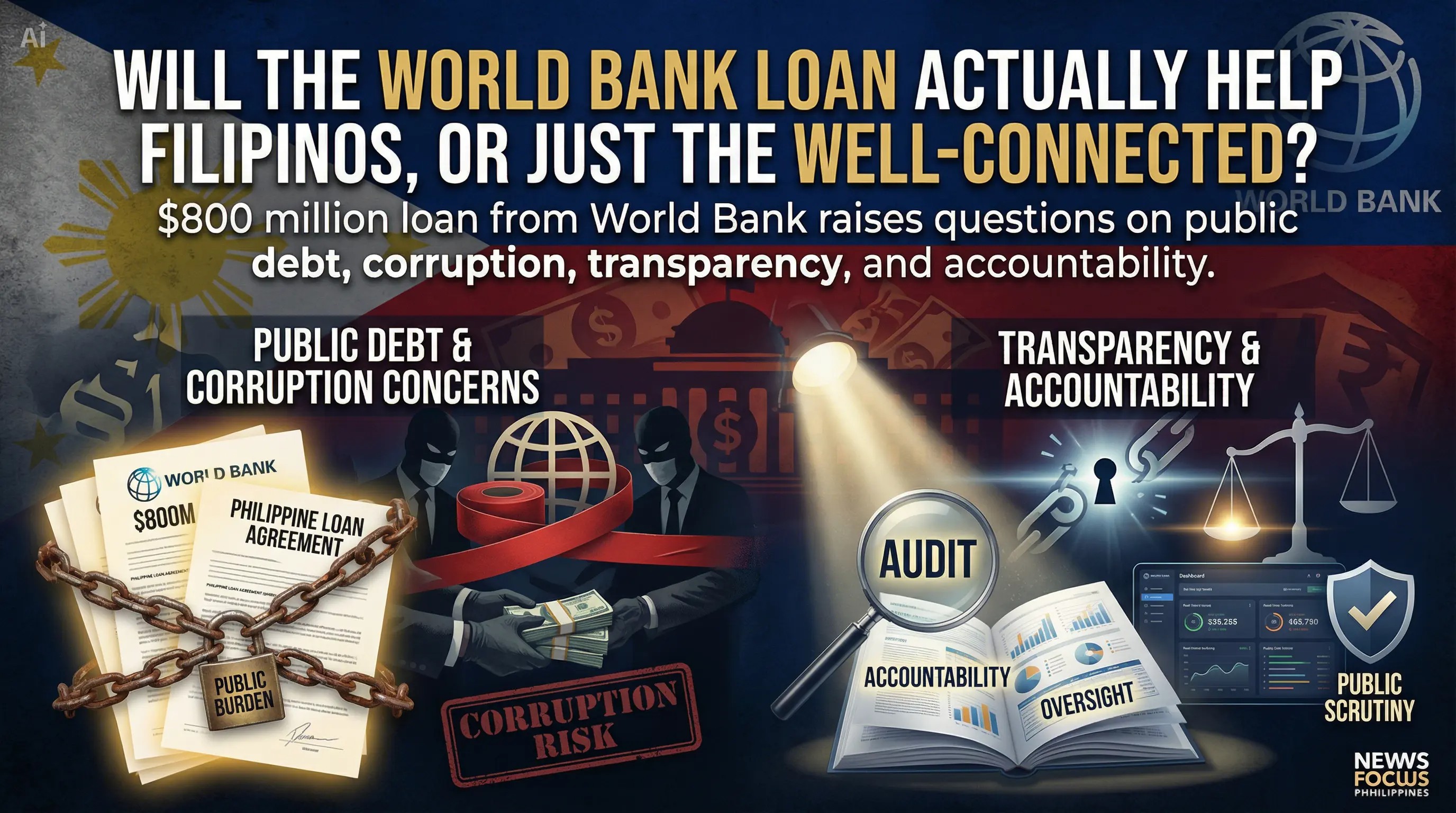
Sara's specific proposals — fuel subsidies, price caps, cash transfers — are popular in the abstract and enormously difficult in practice. Fuel subsidies require fiscal space the government currently does not have in abundance. Price caps on basic goods, when implemented without careful targeting, tend to create supply distortions and informal markets. Cash transfers are effective tools but require functioning delivery systems.
None of Sara's statements this week engaged with any of these trade-offs. She named the problem, named the tools, and left the hard questions unasked. That is not economic advocacy. It is the grammar of a campaign speech.
A genuine policy alternative would specify funding sources, implementation timelines, and the mechanisms for preventing the same kinds of leakage and misuse that the administration is currently being criticized for — including, ironically, leakage from Sara's own office.
The 2028 Context
Sara Duterte announced her presidential run for 2028 earlier this year. The Economist Intelligence Unit, in assessments of Philippine political risk, has noted that sluggish economic growth and corruption issues under Marcos could benefit a challenger running on a contrast platform. Sara is now building that contrast — economic populism against an administration she was part of, until she wasn't.
That is not illegitimate politics. Candidates often run against the records of governments they previously served in. But the framing of her current economic messaging as principled advocacy, rather than what it also obviously is — pre-campaign positioning — does a disservice to readers trying to understand what is actually going on.
The Bottom Line
The Philippine economy has real problems. The Marcos administration deserves genuine scrutiny on its economic management. Sara Duterte, who served in that administration for two years, now offers that scrutiny as a declared presidential candidate. Her critique may be accurate. It is also strategic. Both things are true, and Philippine political coverage would serve the public better by saying so plainly.
Sources: Daily Tribune – VP Sara on economy · PhilNews – Sara claims Marcos prioritizes cha-cha · Al Jazeera – Sara 2028 run · IBON Foundation – Economic cha-cha critique