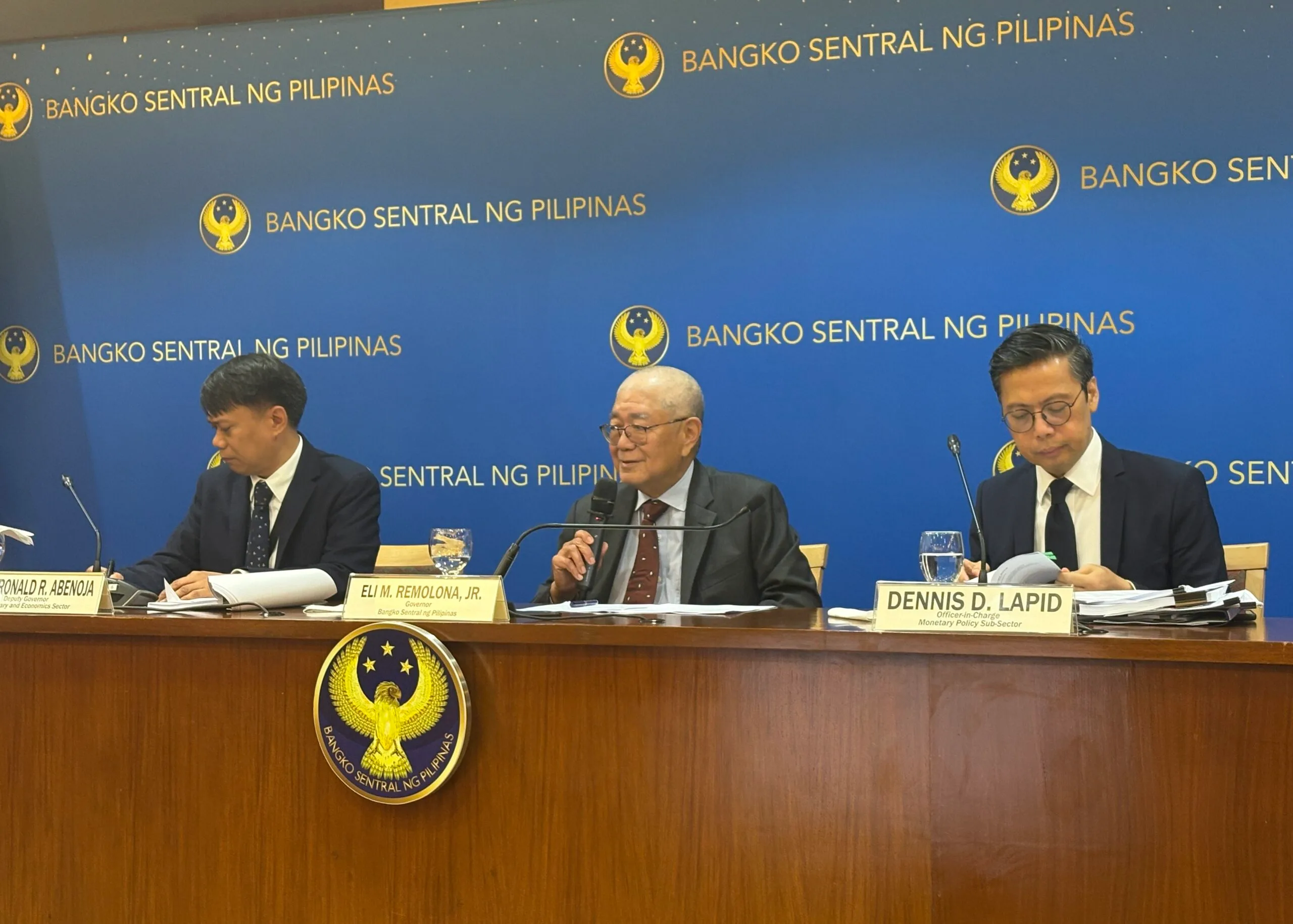

The peso is on track to hit a record low of ₱64 to the dollar by the end of the year, according to a new forecast from ANZ Research — a projection that lands on top of a balance-of-payments picture already worse than all of last year combined, and one the Bangko Sentral ng Pilipinas appears in no hurry to fight.
ANZ Research projects the peso weakening to ₱64:$1 in the fourth quarter of 2026, holding near ₱63:$1 through 2027 before strengthening only gradually to ₱62:$1 by 2028, the bank said in a note reported by the Manila Times. The bank pins the slide on a familiar cluster of pressures: weak domestic growth, a current account deficit running at 3.5 to 4.0 percent of GDP, higher global oil prices, elevated U.S. interest rates, and a central bank that has pulled back on foreign-exchange intervention. "The Philippines' weak growth and large current account deficit will continue to weigh on the PHP," the bank said.
The trade math behind that forecast is stark. Overseas Filipino remittances — long the buffer that keeps the peso from sliding further — now cover only 45 percent of the merchandise trade gap, the lowest share in three years, according to the report. That means the rest of the gap has to be plugged with debt and portfolio inflows, which is a more fragile and more expensive way to keep the currency propped up than dollars sent home by workers abroad. Pulpulitiko reported last week that the country's balance-of-payments deficit hit $5.9 billion over the first eight months of 2026, already exceeding the full-year 2025 shortfall — the same underlying strain ANZ is now pricing into its currency call.
What the report notably does not include is any comment from the BSP itself. The bank's own posture, as characterized in the forecast, is that it is focused on anchoring inflation expectations rather than defending the currency outright — a sensible-sounding priority that nonetheless leaves the peso to find its own level while ordinary import bills, debt payments and fuel costs are denominated in dollars. No BSP official is quoted responding to the ₱64 forecast specifically, and it's a number worth a response: a weaker peso raises the peso cost of servicing the government's dollar-denominated debt, adds to import prices for fuel and rice at a moment when pump prices are already spiking, and complicates the fiscal math behind next year's ₱7.2-trillion national budget.
For now, the forecast is just that — a forecast, not a floor. But it is a data point that arrives days after the country's debt load hit a record ₱19.39 trillion, and it puts a number on a question Filipino households will feel directly at the pump and the grocery counter long before it shows up in a budget hearing.
Context
The peso's slide has been building for months against a backdrop of persistent trade deficits and foreign portfolio outflows. Pulpulitiko has previously reported on the record $5.9-billion balance-of-payments deficit through August 2026 and on the Department of Finance's restart of an IMF-backed debt-forecasting tool meant to give the government better visibility into exactly this kind of external pressure. A weaker peso compounds both problems: it raises the peso value of foreign debt service and narrows the government's room to maneuver on spending even as agencies like DPWH and DA report uneven budget releases for the year.
Sources
- Peso seen hitting P64:$1 — The Manila Times