
On March 20, as fuel prices continued to nearly double since the start of the Middle East war, President Ferdinand Marcos Jr. visited a Century Pacific Food Inc. facility in Laguna — and assured Filipinos that canned sardines are in adequate supply.
This was not a joke. That was the latest message from the country's highest official in the middle of a crisis battering the entire global economy.
"Meron tayong sapat na supply ng Sardinas."
("We have sufficient supply of sardines.") — President Bongbong Marcos, March 20, 2026
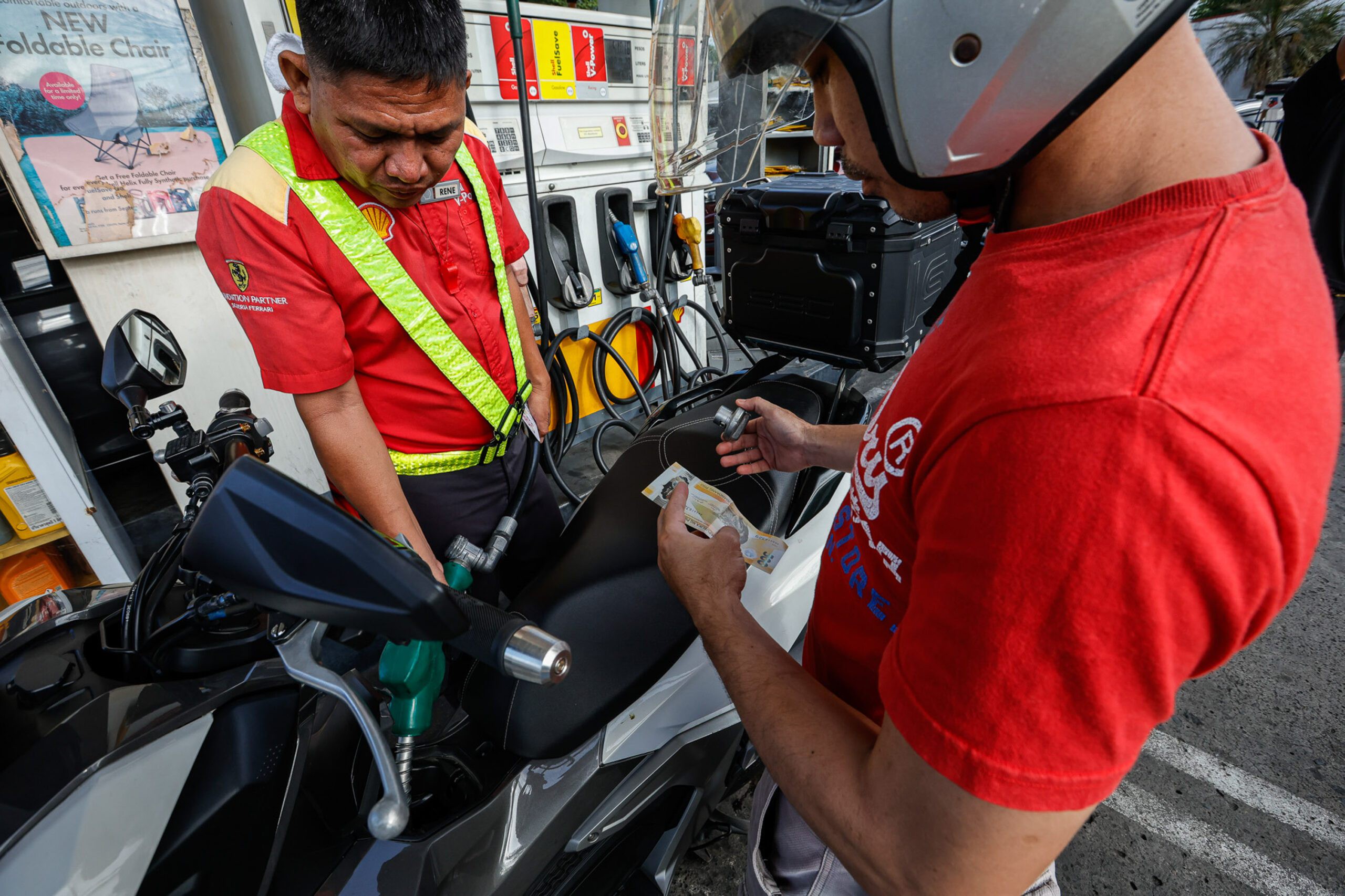
In the three weeks since US-Israeli airstrikes killed Iranian Supreme Leader Khamenei on February 28, diesel prices have surged by as much as ₱48 per liter. The peso hit a historic low of ₱60.10 against the dollar. And the Philippines — which sources 98% of its crude oil from the Middle East — is among the most exposed economies in all of Asia to this crisis.
The question every Filipino asking at the pump is simple: What exactly is our President doing about this?
What other leaders are actually doing
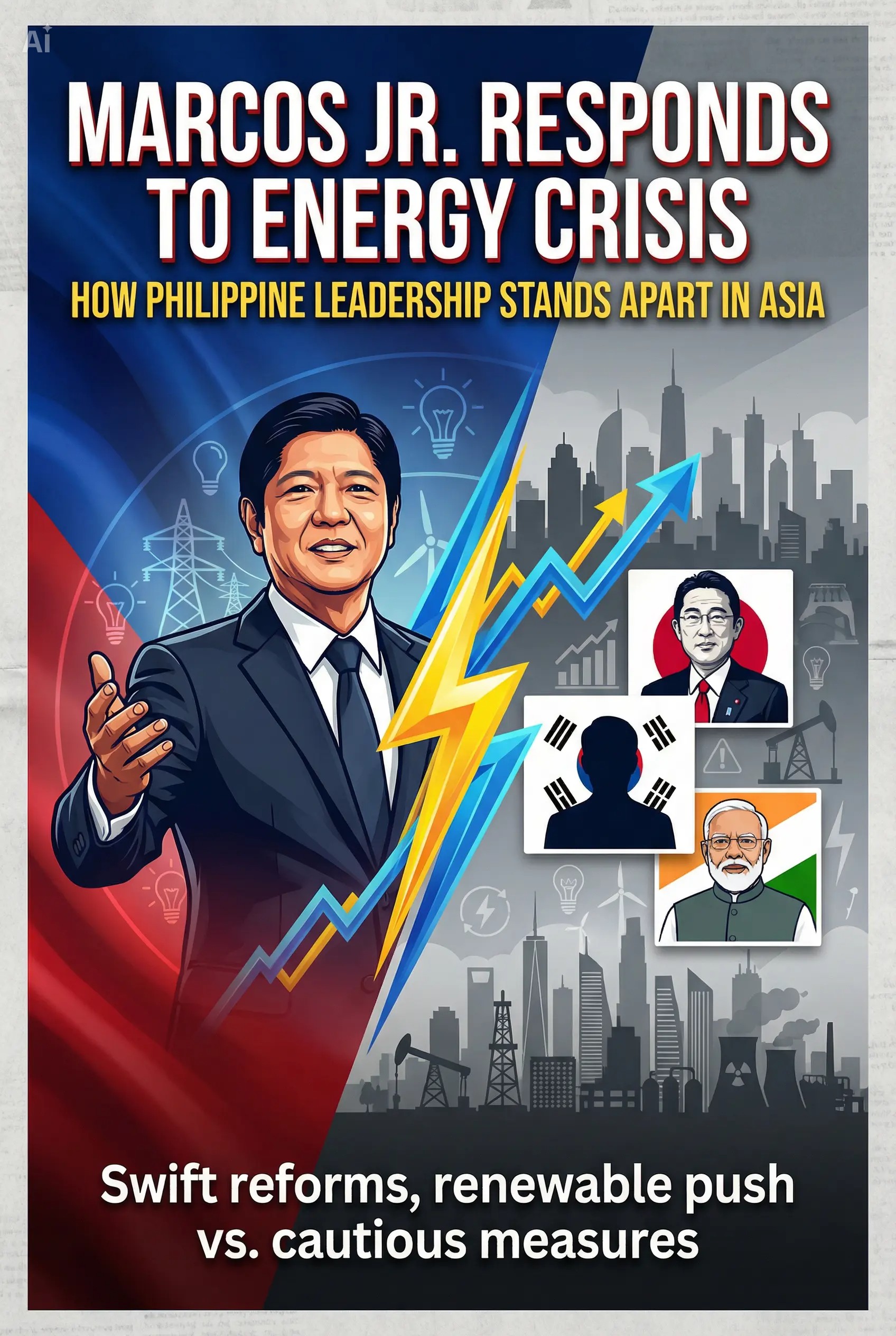
Let's look at how our neighbors responded to the exact same crisis:
Thailand — Did not just "explore" options. The Thai government reached out to Russia and received a positive response. They also expanded negotiations with Brazil, Nigeria, and Kazakhstan. Concrete outreach, concrete results.
Vietnam — Prepared a decree to slash petroleum import taxes to zero. No waiting for lengthy legislative process — their finance ministry moved immediately to protect consumers at the pump.
Japan — Already sitting on 254 days' worth of crude oil reserves. Actively considering drawing from their national stockpile as a precautionary buffer.
India — Proactively pushed ahead with Russian oil purchases under a US waiver. Concrete supplier, concrete volumes, no waiting.
Philippines — Reached out to Russia. Still awaiting a response. No signed agreements. "Slowly locking in offers," according to the Department of Energy.
The contrast is stark. This isn't just about speed — it's about urgency and political will. And at the ASEAN Economic Ministers meeting held right here in Manila, the Philippines walked away with nothing. No firm commitments from member states to waive export restrictions were secured. We hosted. We got nothing.
But wait — isn't there an excise tax bill?
To be fair, the government has moved on one front. Congress passed a bill granting Marcos emergency powers to suspend the excise tax on petroleum products — a measure that, once signed into law, would lower gasoline prices by up to ₱10 per liter and diesel by ₱6 per liter. The bill skipped bicameral conference entirely, an unusually fast legislative move.
As House Majority Leader Sandro Marcos put it:
"The House is moving to address an oil price crisis. This bill gives the President a lawful and time-bound way to cut or suspend fuel excise taxes so relief can reach the public before higher oil prices trigger a wider increase in fares, food and other basic expenses."
It awaits only Marcos' signature. That is a real step.
But two critical caveats temper any celebration. First, economic managers estimate it will take 30 to 45 days for pump prices to actually reflect the tax cuts — oil companies must first exhaust existing inventory purchased at higher taxed rates. Second, the relief itself is limited: diesel has already jumped ₱48 per liter since the war began. A ₱6 reduction is a band-aid on a gaping wound. The government also estimates it will forfeit ₱136 billion in revenues for the year under the full suspension.
Senator Risa Hontiveros acknowledged the limits directly:
"Suspending the excise tax alone is not enough. The global nature of the price shock means that any reduction at the pump may be limited and, in some cases, delayed."
The problem with "assurance"
Filipinos are not complaining about a president who offers reassurance. They are complaining about a president whose only tool is reassurance.
Since the crisis began, the message has been on repeat: "Sapat ang supply." "Huwag mag-hoard." "Ayos lang tayo." And now — sardines.
Meanwhile, diesel prices keep climbing, the peso remains at historic lows, and the DOE itself admitted that May fuel supply is not yet secured — they are still trying to lock in offers "little by little."
Filipinos need a president who steps up to the podium with news: a signed agreement, a secured supply, concrete numbers. Not a press tour of a canned goods factory.
A fair assessment
To be clear: no president anywhere can stop this war. The Philippines is a small player in Middle East geopolitics. And the government is doing some things — negotiations are ongoing, buffer stocks are being built, legislation is moving.
But the argument is not "Marcos is doing absolutely nothing." The argument is: what is being done is not enough. While other leaders are personally sealing deals and driving concrete outcomes, our President is conducting press tours of canned goods facilities.
The Philippines is ASEAN Chair this year. We have a platform. We have diplomatic leverage that has not been fully deployed.
The deeper problem is not just the inaction of today — it is the 98% dependence on one region of the world for our oil supply. That is a decade-long failure of energy policy that spans multiple administrations, not just Marcos. But it falls on the current leadership to solve it now.
In a crisis, leadership is not measured by how many markets you visit — but by how many problems you solve. Filipinos need a president holding contracts, not canned goods.