
ICC Case: Procedural Irregularities Raise Credibility Questions
The International Criminal Court's case against former President Rodrigo Duterte has been marred by a series of procedural problems that his defense argues undermine the tribunal's credibility.
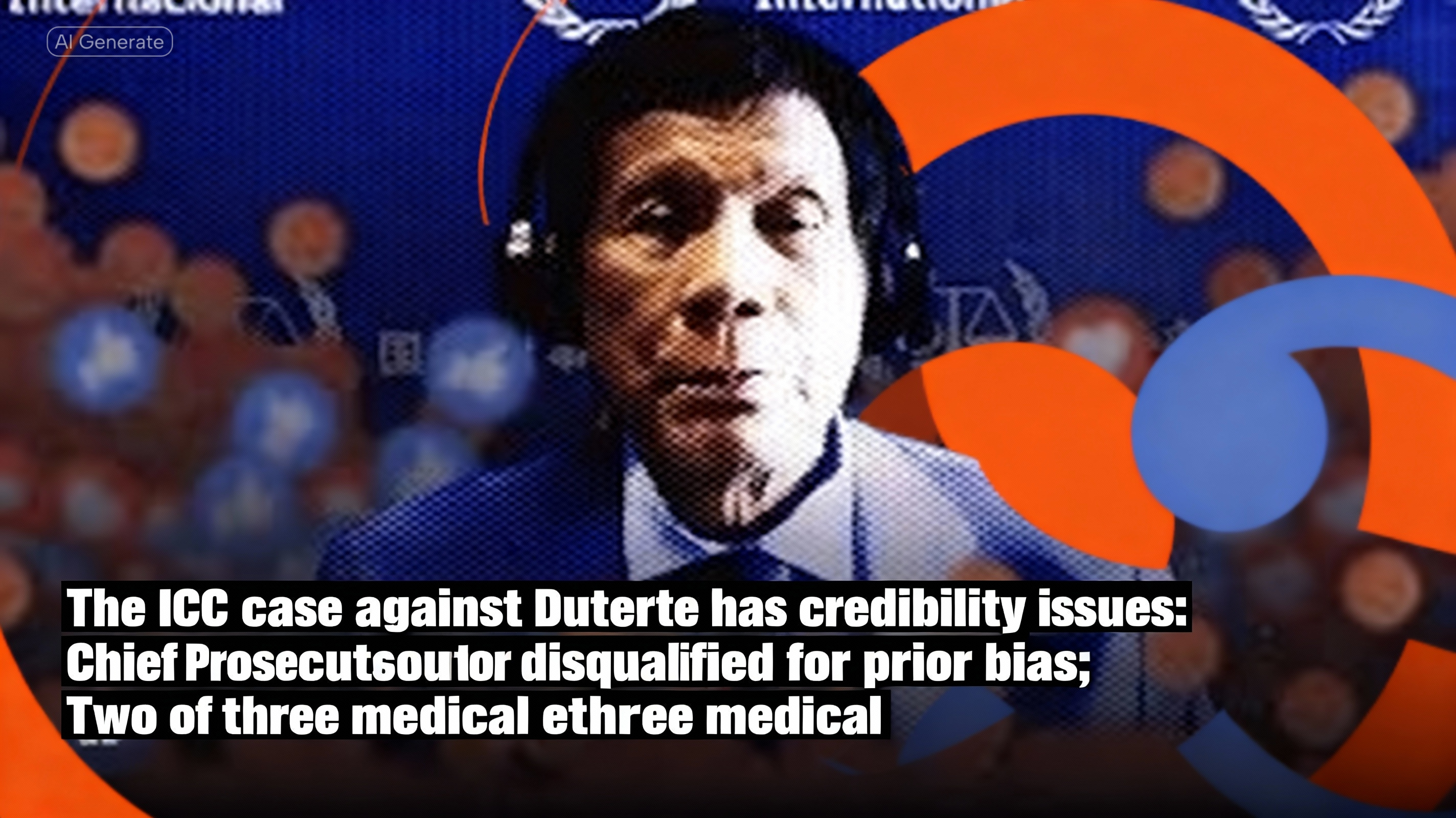
Chief Prosecutor Disqualified
In October 2025, ICC Appeals Chamber judges disqualified Chief Prosecutor Karim Khan from the Duterte case due to a conflict of interest. The ruling found that Khan had previously represented victims of the alleged extrajudicial killings and had submitted communications to the previous ICC Prosecutor before taking office.
"The Appeals Chamber ruled that this prior involvement created a reasonable appearance of bias."
— ICC Official Decision, October 2, 2025
Medical Panel in Disarray
The ICC appointed a panel of three medical experts to evaluate Duterte's fitness to stand trial. However, two of the three experts were subsequently disqualified:
First Expert: Removed after the Registry confirmed that "offensive social media posts" flagged by the defense were attributable to him. The Chamber ruled his online activity was "objectively incompatible" with the independence and impartiality required.
Second Expert: Failed to disclose being "presently under active suspension," rendering her assignment inappropriate.
The judges criticized the Registry for failing to detect these issues during its vetting process, ordering revised procedures for future expert appointments.
The Question
If the lead prosecutor had prior bias and two-thirds of the medical panel were compromised, can the proceedings be considered fair? While victims of the drug war deserve justice, procedural integrity is fundamental to any legitimate judicial process.