


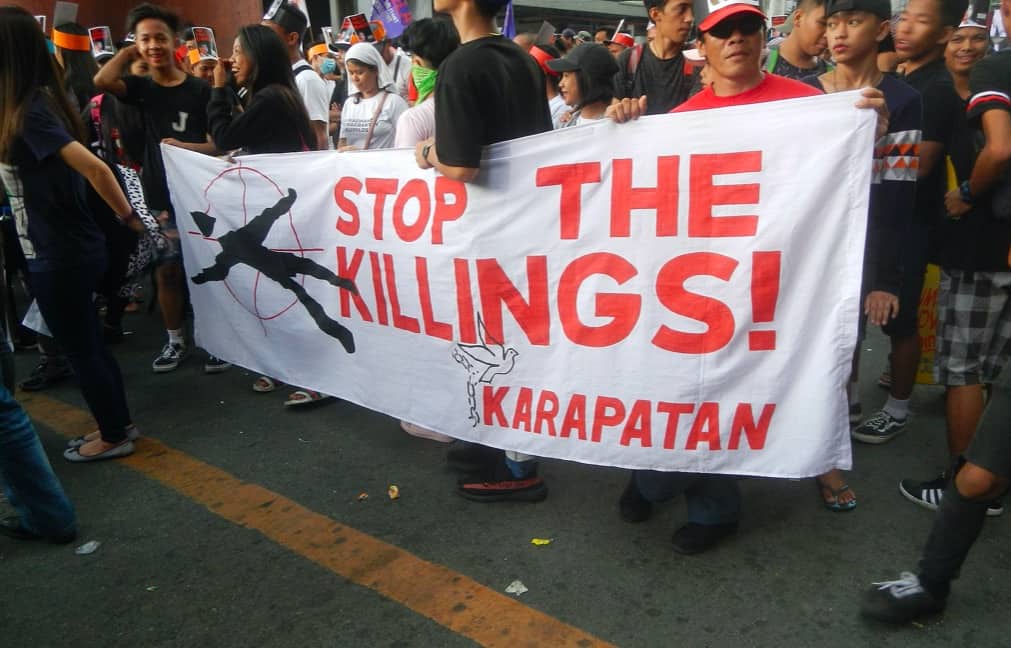
The Commission on Human Rights (CHR) has released its comprehensive report on extrajudicial killings (EJKs) documented during the anti-drug campaign, presenting findings from over 30,000 cases investigated since 2016.
Key Findings
The report documents patterns of human rights violations, identifies chains of command in implicated operations, and provides evidence packages for potential prosecutions. CHR Chairperson Richard Palpal-latoc emphasized the commission's commitment to accountability.
"Justice delayed is justice denied. These findings represent the voices of thousands of families seeking accountability. The evidence we present meets prosecutorial standards," Chairperson Palpal-latoc stated.
Recommendations
The CHR recommends criminal prosecution of identified perpetrators, compensation programs for victims' families, and institutional reforms within the Philippine National Police. The report also calls for enhanced witness protection mechanisms.
Department of Justice Response
DOJ Secretary Jesus Crispin Remulla confirmed receipt of the report and pledged thorough review of cases meeting evidentiary standards. The department has created a special task force to handle EJK-related prosecutions.
International Implications
The report comes as the International Criminal Court continues its investigation into alleged crimes against humanity in the Philippines. Government officials maintain that domestic mechanisms are adequate for addressing violations.
Civil Society Reactions
Human rights organizations praised the report's thoroughness while urging swift government action. Families of victims expressed hope that the findings would finally lead to justice for their loved ones.