


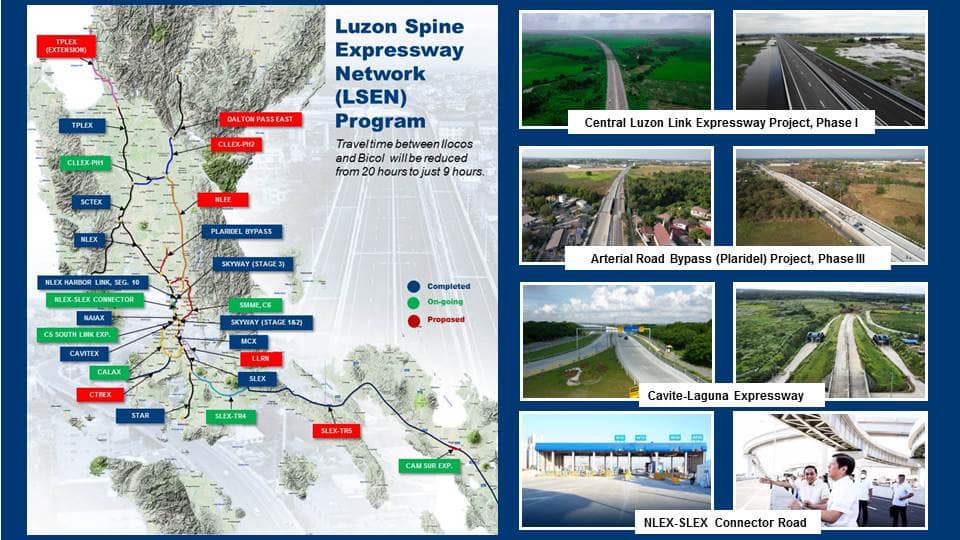
The Department of Public Works and Highways (DPWH), in coordination with the Department of Transportation (DOTr), has unveiled the Philippine Connectivity Master Plan 2025-2030, a comprehensive infrastructure roadmap aimed at dramatically improving transportation links nationwide.
Key Projects
The plan prioritizes completion of major expressway networks, modernization of regional airports, expansion of the Metro Manila subway system, and development of new port facilities in Mindanao and the Visayas.
Budget Allocation
The government has committed PHP 8.4 trillion over five years, with approximately 60% sourced from Official Development Assistance (ODA) loans and the remainder from the national budget and Public-Private Partnerships (PPP).
"This is the most ambitious infrastructure program in Philippine history. We are building not just roads and bridges, but the foundation for inclusive economic growth," DPWH Secretary Manuel Bonoan stated.
Regional Development Focus
Unlike previous infrastructure programs concentrated in Luzon, the new plan allocates 40% of resources to Visayas and Mindanao projects. Priority corridors include the Davao-GenSan Economic Corridor and the Central Visayas Maritime Hub.
Technology Integration
The plan incorporates smart infrastructure elements, including integrated traffic management systems, digital toll collection, and infrastructure monitoring using IoT sensors. The DICT will coordinate technology standards across projects.
Timeline and Monitoring
A dedicated Project Management Office under NEDA will track implementation progress with quarterly public reporting. The first major project completions are targeted for 2026, with full program completion by 2030.